

Injection Mould Assembly & Testing
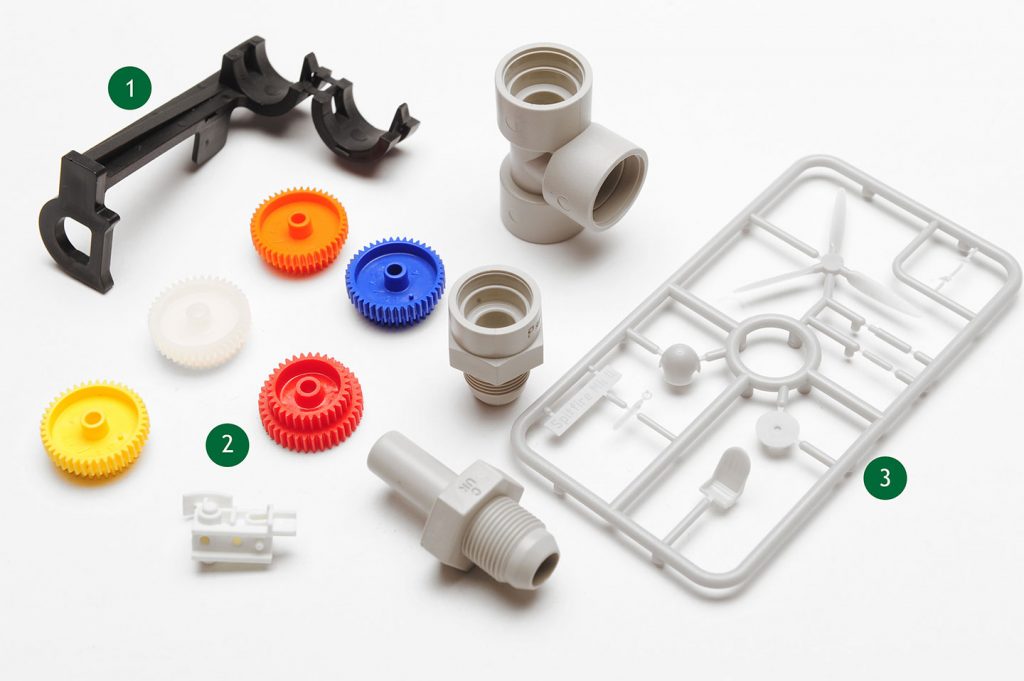
Assembling and testing plastic injection moulded parts are some of the most critical steps of any mould-making process. The quality of injection mould assembly affects the mould quality and at Fern Plastics we provide a range of assembling and testing capabilities that ensure a high-quality end product that satisfies our customers.
Plastic Injection Molding Assembly
All of the experienced engineers at Fern Plastics have a comprehensive knowledge of mould structures and the injection moulding process so every step of mould assembly is carried out to the highest standard to ensure a quality product.
The dedicated assembly area is designed to meet industry standards and effectively allows our team of skilled engineers to work according to schedules. The preparation of joining materials like metal fasteners and o-rings ensures the smooth process of injection molding assembly. With years of experience in assembling plastic injection moulded parts, we’ve become experts in simple and complex assembly requirements.
Testing Injection Moulding Quality
Full customer satisfaction is important to us at Fern Plastics, so we ensure quality testing occurs throughout the injection moulding process. To ensure the high quality of our services, our skilled engineers implement a quality management system according to IAFT 16949. IAFT 16949 is the global technical specification and management standard that aligns automotive quality management systems worldwide. The engineers at Fern Plastics work according to APQP – Advanced Product Quality Planning which provides the framework for a structured approach to production. The team uses this standardised set of quality requirements to ensure our customer’s satisfaction.
With over six decades in the injection moulding industry, we understand how important assembling and testing are as post-production processes. Effective assembling and testing deliver a robust end product that will fulfil your projects’ requirements. For more information about our in-house injection mould assembly and testing, contact our team online or call us on 01902919038.
Injection Mould Assembly & Testing FAQs
What are the different steps of injection mould assembly?
There are a few key steps of the assembly process to make sure the final product is aligned with relevant requirements and quality standards:
- Trimming any excess material left over from the moulding process
- Applying any surface finishes and/or aesthetic aspects of the component’s appearance in line with client requirements e.g. adding logos or text using pad printing, etc.
- Component assembly of the different parts that need to function together
Is injection mould tool testing a part of your process?
Absolutely, tool testing is a key part of our rigorous quality assurance framework and of making sure that the finalised component will meet your specifications functionally and aesthetically before we proceed to full-scale production. If any alterations are needed after producing the preliminary parts we’ll continue to work with you to modify designs as needed.
What techniques do you use for injection moulding assembly?
We use a range of assembly techniques depending on the specific component and its intended use e.g. ultrasonic welding where components are welded together using ultrasonic vibrations, fitting metal fasteners / O-rings, assembling multiple parts into one complete product, etc. Our engineers will make sure each product is accurately assembled and are equipped to handle both simple and complex requirements to support your project.
Why are injection mould assembly and testing important for the final component?
For an injection mould to function correctly all parts need to be assembled precisely so it works as it’s supposed to. Testing on the other hand helps verify that dimensions are correct and also helps catch any potential defects early on before moving on to the production stage of the process saving clients both time and money.