Laser Marking for Injection Moulding
Laser marking can be a fantastic way to create high contrast marks on a plastic injection moulded product. Often used in the medical industries or in cases when individual objects need to be identified, laser marking has become a popular service, especially when combined with some of our other valued added services.
How Does Laser Marking Plastic Work?
Laser marking or laser etching works through the process of directing a high-powered laser beam to a plastic object in order to discolour the surface of the plastic material in the desired shape or style required. The energy is absorbed by the polymer surface causing a controlled reaction which, depending on the material, can be carbonisation (darkening), foaming (lightened contrast) or subtle surface ablation.
When the beam is moved, it forms text, data matrix codes and whatever else is needed to laser etch the surface. One of the benefits of laser marking on plastic parts is that unlike engraving plastic, this technique keeps the product surface intact with a smooth finish minimising the risk of cracking, burrs or material weakening.
When Would Laser Etching on Plastic Be Used?
Through the process of laser etching, unique identifying elements such as QR codes or data matrix codes can be marked onto individual plastic products. This process of marking QR codes and other elements can be particularly useful in industries where traceability is key, such as the medical industry as each item will be uniquely marked. Laser marking uses precise layer removal in order to produce effects such as backlit mouldings, serial numbers, bar codes and QR codes.
Laser etching plastic parts is also especially useful when identification of items needs to be permanent and tamper-resistant as unlike labels or ink-based printing, it cannot be rubbed away, peeled off or easily altered. This makes the process perfect for products that need to maintain traceability throughout their lifecycle.
Key Applications of Laser Marking on Plastic Parts:
Many industries require permanent, legible identification to support safety, compliance and lifecycle tracking which this method is perfect for. This type of marking technique is used in a wide range of industries to create complete traceability. Below are just a few of the common uses:
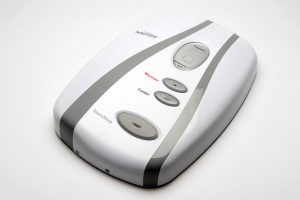
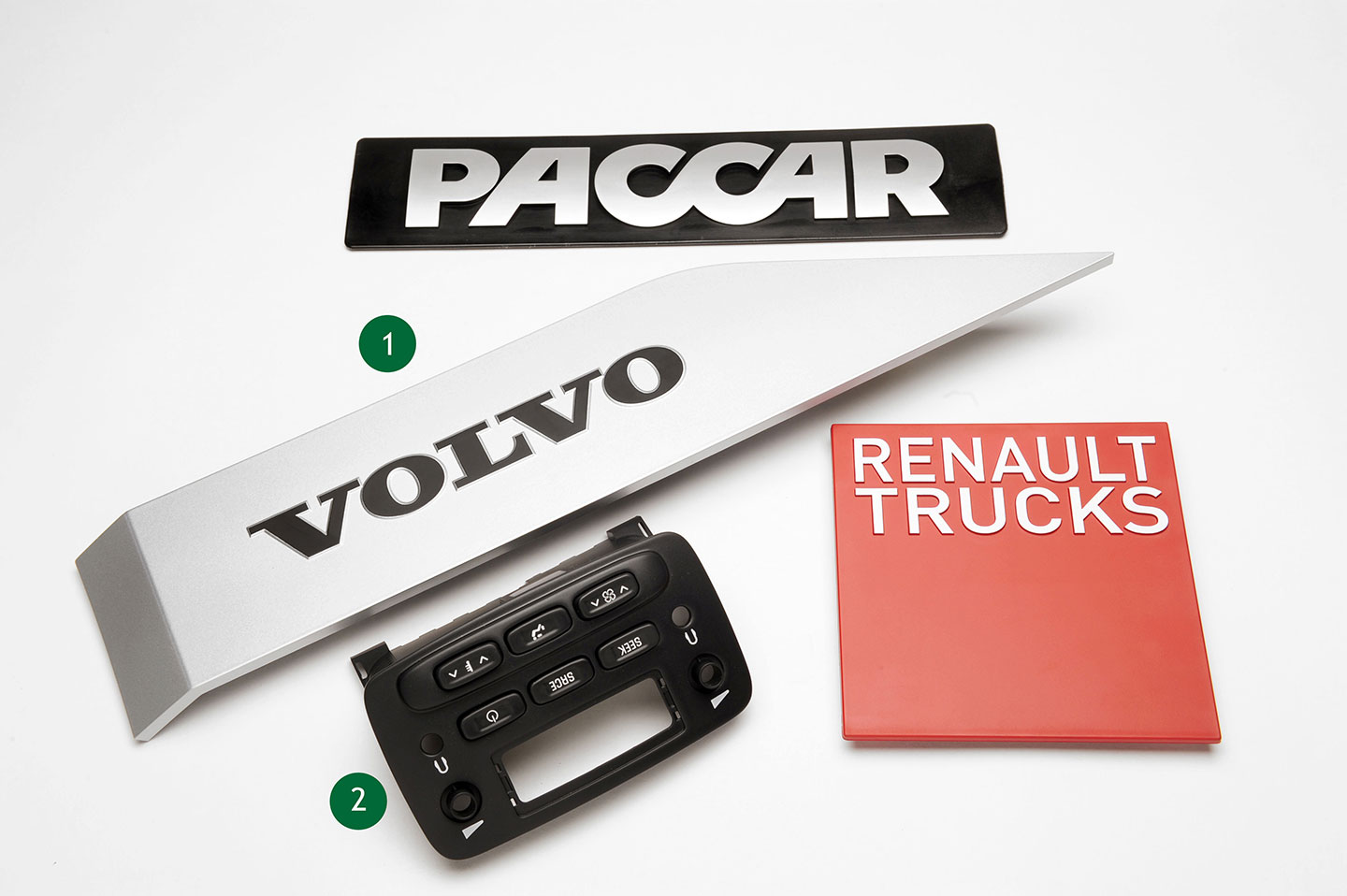
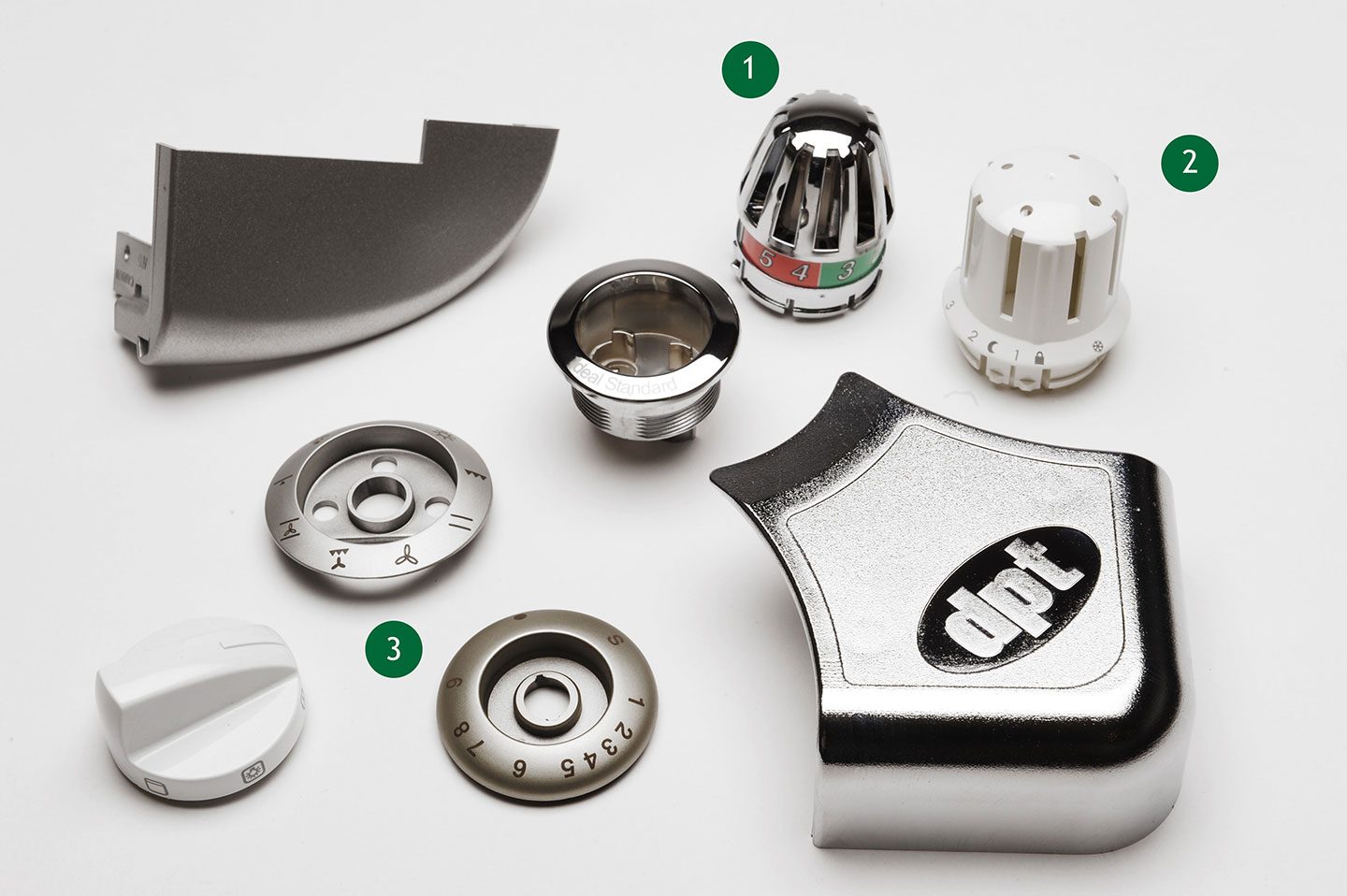
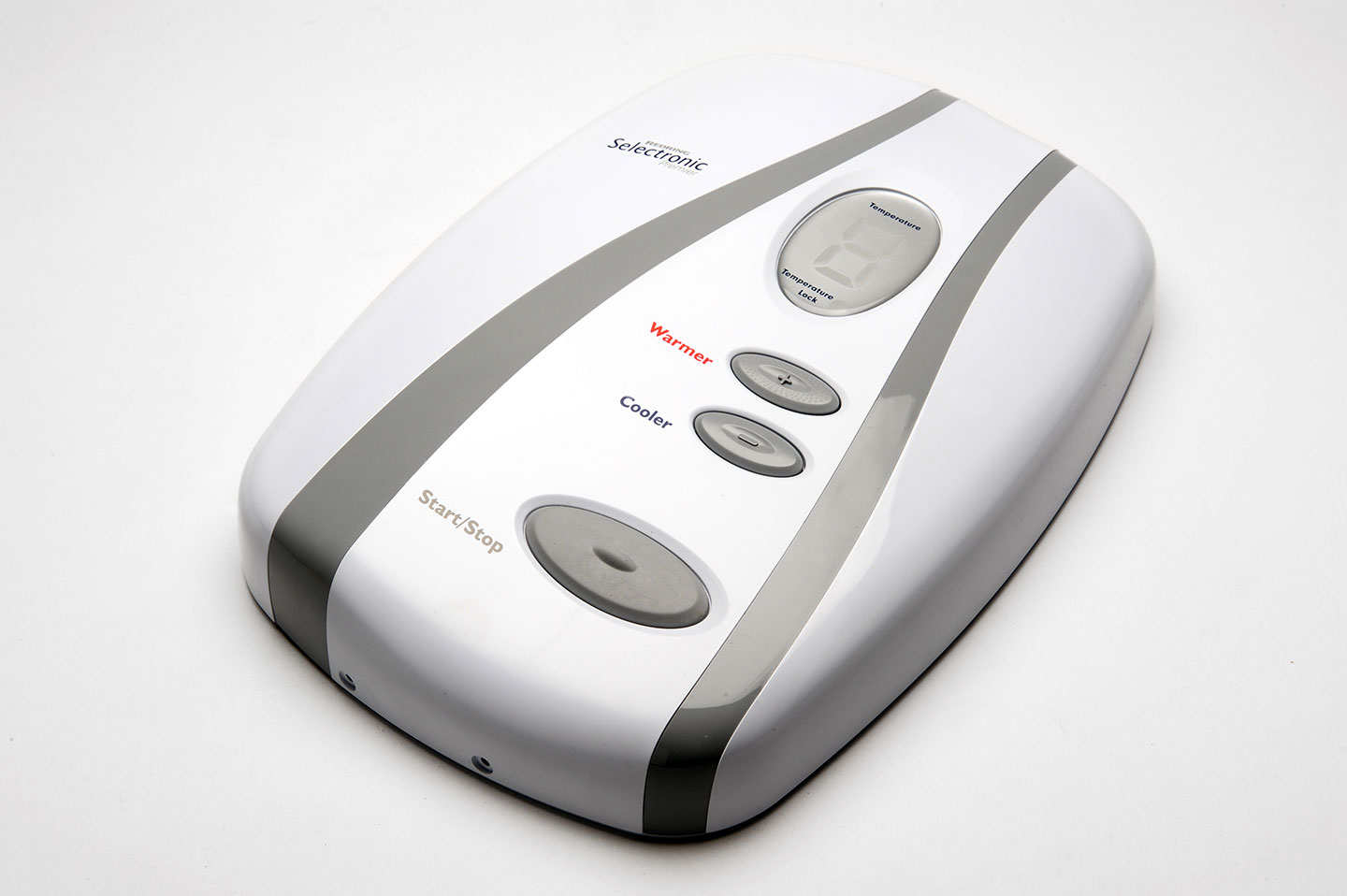
- Product labelling: This can include logos, compliance markings, batch codes and branding on injection moulded housings / enclosures
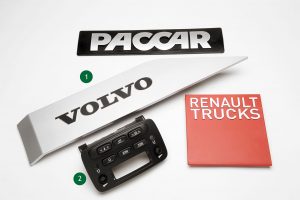
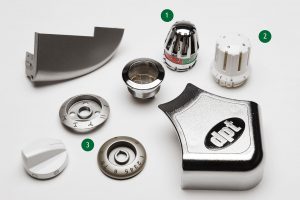
- Automotive parts: E.g. interior switches, dashboard components, under, bonnet parts, etc.; this technique is particularly suitable due to its resistance to heath, vibration and chemical exposure
- Medical labelling: Supports traceability requirements with serial numbers, data matrix codes, UDI identifiers, etc and is suitable for parts that regularly undergo sterilisation or repeated cleaning without the marking deteriorating
- Aerospace parts: Used across aerospace / precision engineering applications where permanent part references, batch codes and safety identifiers are critical
Key Benefits of Laser Marking for Plastic Components:
This technique has both commercial and technical benefits when it comes to permanent identification of parts. Below are some of the main advantages:
- Permanently marked products with identification that doesn’t fade, peel away or wear off
- Smooth surface finish due to a contactless process without burrs / surface distortion
- Complete traceability through unique identifying elements
- Helps product compliance to relevant laws and regulations
- Broad application to a range of materials, geometries, colours and performance requirements
- Quick, low-cost process that can be integrated into automated production workflows
To find out more about our laser marking service or other value-added services, contact Fern Plastics online or by calling 01902 758282 now.
Laser Marking Plastic FAQs
This technique can be used on many commonly used plastics in injection moulding, including:
- ABS
- Polycarbonate (PC)
- Polypropylene (PP)
- Nylon (PA)
- PET
Whether a plastic is suitable for this technique depends on material grade, pigment, additives, etc. At Fern Plastics, we always consider material selection and marking needs together during design and production. If you have any questions re.the use of this technique on a particular type of plastic, feel free to contact our team and we’ll be happy to help.
Yes, laser etching is permanent on plastic parts and is a great marking technique for businesses and industries needing reliable product identification that doesn’t fade. The technique alters surfaces on a microscopic level meaning marks are resistant to abrasion, chemicals, repeated handling / cleaning, etc.
Laser marking on plastics doesn’t remove a significant amount of material from the product meaning it doesn’t affect the finish. Engraving on the other hand removes a deeper layer of material and can create a recessed effect.
Laser marking is often the preferred method for injection moulded plastic products as it provides permanent identification without disturbing the integrity of the surface.
Yes, the technique is often used on ABS injection moulded plastic products for identification, branding, traceability, etc. ABS responds well to it as long as the correct settings / material formulation are used. If you’re looking to have laser marking on ABS plastic injection moulded products and have any questions about the process, don’t hesitate to get in touch with the Fern Plastics team and we’ll be happy to help.