

Author: Laura
What is Plastic Injection Moulding Used For?
As a highly transferable process, plastic injection moulding is used for a wide range of everyday and niche products from mop heads to bird feeders and all of the technical parts in between. Thermoplastics are incredibly versatile and lend themselves to an endless list of uses with plastic injection moulding helping to create all manner of intricate parts, here are just a few.
What is Plastic Injection Moulding?
First and foremost, plastic injection moulding, sometimes known as plastic injection molding, is a process involving creating plastic products from a mould. Thermoplastic polymers are melted down and injected into a mould cavity at high pressure to form a solid product when cooled. These parts can then be used in a range of different applications as stand-alone products or as part of a fully-functioning larger product such as a car.
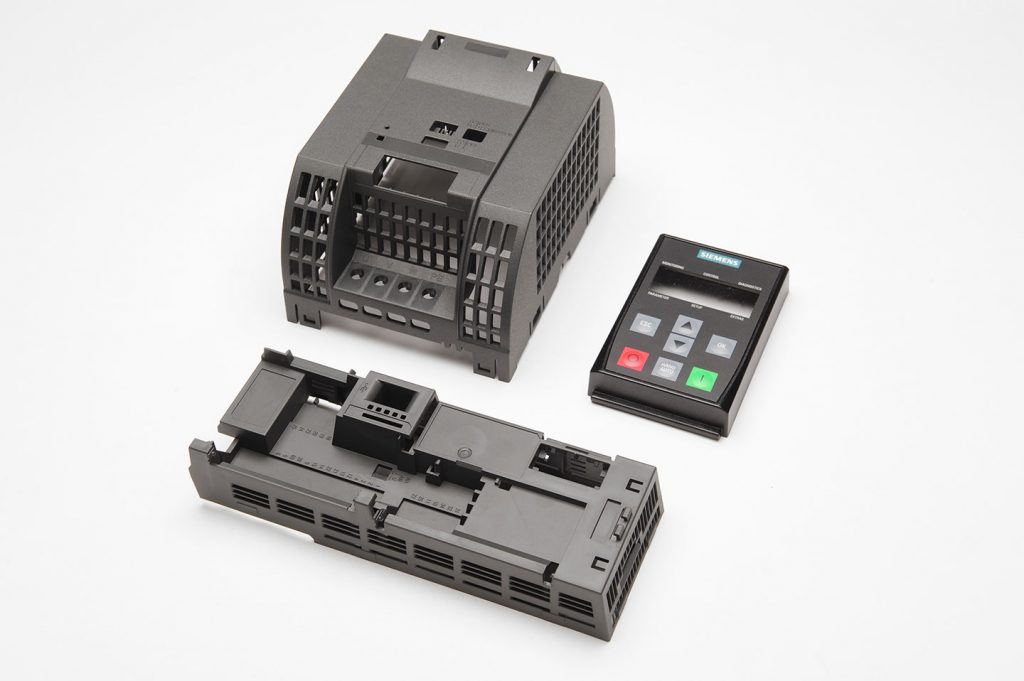
Plastic Injection Moulding Examples
When it comes to plastic injection moulded parts, you can find them in a wide range of industries and uses from the very small to the large. Plastic injection moulded products can be found everywhere from factories to your own garden. Here some of the most common injection molded plastic products and where they are used.
Injection Moulding Products for Machinery and Automotives.
One of the most common examples of injection moulded products is in machinery and automotive components. The ability to form large quantities of identical parts means that plastic injection moulded products are a brilliant use for everything from dashboards to cup holders to radio controls and plastic injection moulded machine fixtures.
Plastic Injection Moulded Examples in Healthcare
When it comes to the healthcare industry, the ability to create sterile components that can easily cleaned is one of the benefits of the plastic injection moulding process. Mass-produced items such as plastic syringes and medication trays can all be created through plastic injection moulding processes. In addition to this, plastic injection moulding examples can also be found in some tools used for medical procedures as well as sharps disposal bins among many other uses for plastic injection molded products.
Plastic Injection Moulding Examples in Everyday Objects
Of course, plastic injection moulded parts are not just used in the automotive or healthcare industries. Many of the consumer goods you use every day are formed from plastic injection moulded parts. Some examples of injection moulded products include everything from toilet seats to barbeque accessories, collectable models to recycling bins and everything in between.
If you are looking for a specialist plastic injection moulding company to produce parts for your business, get in touch with Fern Plastics online or by calling 01902 758282 now to talk to our knowledgeable team. We are able to produce a range of plastic injection moulded products and specialised moulds in a range of finishes and complex features in everything from the small to the large.
Read More
8 Common Plastics Used in Injection Moulding
In the manufacturing world, plastics are central to most of the products we use every day. From food packaging to medical equipment, the durability, versatility and cost-effectiveness of plastic materials make them indispensable, especially in the injection moulding industry. But what plastic is used in injection moulding?
With almost 400 million metric tons of plastic produced in 2021 alone, the demand for plastic molded products is set to continue to rise. This means whether you’re an experienced manufacturer or new to plastic production, choosing the right types of plastic material for injection molding is crucial. In this article, we’ll explore some of the most common plastics used in injection moulding, as well as their benefits and applications.
What Plastics Are Used In Injection Moulding?
Below are some of the most popular plastics Fern Plastic uses in injection moulding, along with their properties and typical applications.
- Acrylonitrile Butadiene Styrene (ABS)
- Polycarbonate (PC)
- Polyamide (Nylon)
- PC/ABS (Polycarbonate/Acrylonitrile Butadiene Styrene Blend)
- High-Density Polyethylene (HDPE)
- Low-Density Polyethylene (LDPE)
- Polybutylene Terephthalate (PBT)
- Polyoxymethylene (POM/Acetal)
Acrylonitrile Butadiene Styrene (ABS)
Acrylonitrile Butadiene Styrene, commonly known as ABS, is a highly versatile thermoplastic polymer and possibly the most common plastic used in injection moulding. Thanks to its excellent balance of toughness, rigidity, and impact resistance, ABS is a go-to material for products that require durability and a high-quality surface finish. Acrylonitrile Butadiene Styrene is also popular because it is easy to process, which makes it a favourite among manufacturers for creating complex shapes and detailed components.

Why use ABS?
ABS is particularly valued for its toughness and ability to withstand a wide range of temperatures. It also has good aesthetic properties, as it can be easily coloured and finished to a high gloss, making it ideal for consumer products that need to look appealing while also being durable
Polycarbonate (PC)
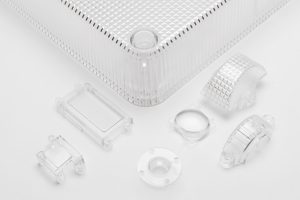
Polycarbonate, or PC, is a high-performance thermoplastic, popular for its exceptional strength, clarity, and resistance to heat and impact. Unlike other plastics, polycarbonate retains its toughness across a wide range of temperatures, making it ideal for demanding applications where durability is crucial. It is often used as a glass substitute in various products thanks to its transparency and shatter resistance.
Why Use Polycarbonate?
Polycarbonate is an excellent choice for products that require transparency and high-impact resistance. Its ability to withstand extreme conditions without cracking or breaking makes it ideal for safety and optical applications.
Polyamide (PA) – Nylon
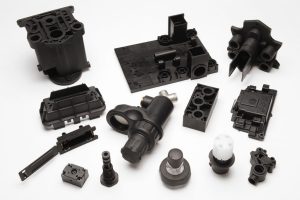
Polyamide, commonly referred to as Nylon, is a family of synthetic polymers known for their excellent mechanical properties, particularly in applications requiring high strength, flexibility, and wear resistance. Nylon’s durability and resistance to abrasion make it a popular choice in both engineering and consumer applications. It is available in various grades, including reinforced types that enhance its performance under extreme conditions.
Why Use Polyamide?
Nylon is often used in applications where parts are subjected to high mechanical stress, for example, in automotive or industrial machinery. Its combination of strength, durability, and resistance to wear makes it a reliable material for engineering applications.
PC/ABS (Polycarbonate/Acrylonitrile Butadiene Styrene Blend)
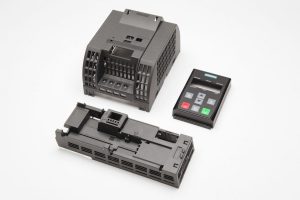
PC/ABS is a blend of Polycarbonate and Acrylonitrile Butadiene Styrene that combines the best properties of both materials. The result has the toughness and heat resistance of PC with the flexibility and ease of processing of ABS. This hybrid material offers enhanced impact strength, making it ideal for applications that require both durability and a high-quality surface finish. Additionally, PC ABS blends are known for their excellent low-temperature performance, making them suitable for environments with fluctuating or extreme temperatures.
Why Use PC ABS?
This blend offers a balanced combination of the toughness and heat resistance of polycarbonate with the impact resistance of ABS. It is widely used in automotive and electronic applications where durability and aesthetic appeal are essential.
High Density Polyethylene HDPE
HDPE or high-density polyethylene is a thermoplastic polymer and one of the most popular and widely used plastics in the world. Also known as polythene, HDPE is made from petroleum and ethylene and can be used to make recyclable products like milk bottles, pipes and bin bags. This makes it ideal for those looking for sustainable options for plastic moulded parts.
Why Use HDPE?
Its exceptional strength and durability, make HDPE ideal for products that need to withstand tough conditions. Its resistance to chemicals and moisture makes it perfect for durable products from outdoor furniture to piping. HDPE’s recyclability also makes it a go-to choice for sustainable applications.
Low Density Polyethylene LDPE
LDPE or low-density polyethylene is a versatile thermoplastic with properties like low temperature flexibility and high strength. These contrasting features make LDPE an excellent choice for applications where good stress resistance and toughness is required. Low density polyethylene has the same chemical formula as HDPE but its low density makes it more lightweight with high ductility. This makes it suitable for a wide range of products from food packaging to medical devices.
Why Use LDPE?
LDPE’s flexibility and impact resistance makes it a great choice for products that require both toughness and pliability. It’s commonly used in toys and medical prosthetics and offers low water absorption and cost-efficiency. Its ability to withstand low temperatures without becoming brittle is another advantage.
Polybutylene Terephthalate PBT
PBT or polybutylene terephthalate is a versatile thermoplastic polyester resin with a semi-crystalline structure. From automotive parts to medical devices, the versatility of PBT is due in part to its wide range of grades which include flame-retardant and reinforced varieties. Polyester resins like PBT have good flow properties making them excellent engineering polymers for injection moulding.
Why Use PBT?
Polybutylene Terephthalate is perfect for industries requiring heat resistance, mechanical strength, and durability. Its excellent electrical insulation properties make it a top choice for automotive parts, electrical components, and appliances. PBT’s UV resistance and colour stability make it a popular choice for outdoor applications.
POM Acetal -Polyoxymethylene
Also known as acetal, polyoxymethylene or POM is a semi-crystalline thermoplastic with high mechanical strength and rigidity. Naturally opaque or white in colour, POM is available in grades that can be glass-reinforced, toughened and UV-stabilised for a range of demanding applications. Polyoxymethylene is ideal for manufacturing complex, precision parts and its scratch-proof nature makes it ideal for creating high-gloss exposed parts.
Why Use Polyoxymethylene?
POM or acetal is highly regarded for its mechanical strength, rigidity, and low friction, making it ideal for precision parts like gears, fasteners, and bearings. Its dimensional stability and wear resistance are perfect for demanding, high-stress environments such as the automotive and consumer goods industries.
Quality Plastics for Injection Moulding
Choosing the right types of plastic for injection molding is crucial for ensuring that your products meet the required performance, aesthetics and budget. Whether you’re producing automotive components, consumer goods, or medical devices, understanding the properties of these common plastics will help you make informed decisions for your next injection moulding project.
If you need guidance in selecting the right material for your application or you’re looking to optimise your production process, our team at Fern Plastics is here to help. We use all of the materials in this guide in our thermoplastic injection moulding. This helps us to provide our customers with a wide range of options for their plastic moulded products. Our experiences allow us to have a good understanding of which plastic material is best suited to your project. Contact us today to learn more about our injection moulding services and how we can support your manufacturing needs.
Read MoreHow Long Does A Plastic Injection Mould Last?
In the plastic manufacturing industry, the durability and longevity of a plastic injection mould or mold are crucial for cost-effective production. Moulds are expensive and represent a significant investment. Mould life expectancy can range from less than 500 cycles to over 1 million depending on aspects like the quality of the mould and the material being moulded. Understanding the lifespan of these moulds can help plastic manufacturers plan for maintenance and replacements as well as allow them to anticipate production capacity. In this article, we’ll explore how long plastic injection moulds are expected to last and the factors that can contribute to their longevity.
How Do Injection Molds Wear Out?
Several factors can affect the durability and longevity of plastic injection moulds, including material selection and working environments. One significant factor is abrasion from the plastic being moulded, particularly when using glass-filled plastics. Additionally, chemical attack or corrosion from aggressive plastics like PVC or those containing flame retardant additives can cause moulds to wear out quickly. Fatigue from thermal cycling and the wear and tear of moving components, such as slides, lifters, and cores can also impact the mould’s lifespan. This is especially significant for unscrewing mechanisms that create screw threads in parts.
Plastic Injection Mould Material
Aluminium can be used for moulds processing low melt temperature plastics and low demand, simple parts or prototypes. Aluminium was more popular for these applications before modern mould-making machinery reduced the machining time of steel to be comparable with aluminium. This eliminated much of the cost advantage. More recently aluminium moulds have been made by 3D printing but these are less durable.
Various steels are the most popular mould materials. Pre-hardened or “P20” steels are the least expensive but difficult to machine and refurbish. They do not maintain highly polished surface finishes well. Most plastic injection moulds are made in fully hardened steel “H13” which is more durable and can be refurbished several times. This helps to increase serviceable life and maintain polished surfaces.
Stainless steel or “Stavax” is used for moulds processing chemically aggressive plastics such as those having flame retardant additives. It is relatively expensive but a prudent investment.
The materials used for both the mould and the plastic being moulded play a big role in how long the mould lasts. Steel molds for plastic injection are a common choice for their durability in high-volume production and can exceed one million cycles. Aluminium moulds for plastic injection are cheaper but they wear out faster making them suitable for low-volume production.
The type of thermoplastics used during manufacturing also matters as some plastics are more abrasive than others. Corrosive resins like PVC for example can damage aluminium moulds.
Plastic Injection Mould Design and Construction
A well-designed and precisely constructed mould will last longer. This is why investing in high-quality engineering is crucial. Higher-quality moulds have a much longer tool life and can last over 1 million cycles. Complex moulds can be more susceptible to wear and may require more maintenance due to their intricate parts. The way the components within the tool are arranged and the overall mould design can also dictate how long the mould will last.
Plastic injection Mould Maintenance
Poorly maintained moulds not only cause defects and production delays but also significantly shorten the mould’s lifespan. This is why regular maintenance practices such as cleaning, lubricating, and inspecting are essential. With regular inspections, you can help identify any early signs of damage and extend the injection mould life expectancy with a minor repair.
Production Volume
The number of cycles plastic injection mould tools are put through directly impacts their longevity. High production volumes mean more frequent use, which accelerates wear and tear. Manufacturers should ensure their production demands are combined with increased mould maintenance to avoid overworking the moulds and compromising their durability.
Operational Conditions
Plastic injection moulding operational conditions, including injection pressures, temperatures, and cycle times, also affect mould lifespan. High pressures and extreme temperatures can cause stress on the mould materials, while fast cycle times and increased production speed can also increase the rate of wear. By adjusting these parameters to optimal levels, manufacturers can help prolong the mould longevity.
How Long Does An Injection Mold Last?
Injection moulding tools can have varied life expectancies depending on the factors mentioned and the injection moulding plastic materials. Here are some general estimates for different types of moulds and production volume levels.
- Prototype Moulds – These typically last for a few hundred to a few thousand cycles and are used for low-volume production or testing.
- Medium production moulds – These moulds are built for medium production volumes and can last around 500,000 cycles
- High-Production Moulds – Usually made from hardened steel, these moulds can last for over a million cycles if properly maintained.
Plastic Injection Moulds from Fern Plastic
When it comes to effective plastic manufacturing, a well-designed and maintained plastic injection mould is essential. At Fern Plastics we offer plastic injection mould services that ensure your moulds are durable and efficient. Whether you need new moulds, repairs and maintenance or reshoring support for mould transfers, we can help.
For more information about our plastic injection mould manufacturing, contact us online or call 01902 758282.
Read MoreIs Injection Moulding Sustainable for Plastic Manufacturing?
Plastic injection moulding is a widely used manufacturing process for creating everything from car parts to toys. But in today’s environmentally conscious world, an important question arises, “Is plastic injection molding environmentally friendly?”
By implementing certain sustainable practices, the plastic injection moulding process can be made more sustainable and energy efficient, resulting in less waste, a reduction in overall costs and less negative environmental impact.
What are Sustainable Practices in Plastic Injection Moulding?
Numerous areas in plastic injection moulding can be optimised to make the process friendlier to the environment. These include:
- Utilising recycled plastic materials
- Reducing energy consumption
- Selecting sustainable plastic materials
- Effective waste management

Utilising Recycled Polymers
When considering sustainable practices, you may wonder, “Can recycled plastic be injection moulded?” Recycled plastics can be successfully injection moulded and this practice is becoming increasingly common as more industries focus on sustainability. Processes like closed-loop recycling allow plastics to be recycled within their polymer types to create the same product or different high-quality products of the same type of plastic. Utilising recycled plastic material not only reduces the demand for virgin plastics but also lowers fossil fuel consumption and cuts down the amount of plastic waste in landfills.
Reducing Energy Consumption in Plastic Injection Moulding
The plastic injection moulding machines and the additional equipment involved in the plastic manufacturing process require a lot of energy to operate. Traditional plastic injection moulding machines wasted a lot of energy and were powered by hydraulics and fossil fuels until the late 20th century.
Today, modern electric plastic injection moulding machines are much more energy efficient. As well as utilising renewable energy sources to increase sustainability further, modern plastic injection moulding machines allow for tighter control of process parameters which makes production and energy use much more efficient.
Plastic injection moulding involves heating polymers to high temperatures and using high pressure to inject the melted polymers into their moulds. Since temperatures and pressure levels for various types of plastic will vary, expert injection moulders can optimise these parameters by reducing cycle times to maximise production and reduce unnecessary energy consumption.
What are the Sustainable Plastics For Injection Molding?
Due to the significant environmental impact of producing, using and disposing of conventional plastic, finding eco-friendly alternatives to traditional polymers has become a top priority for plastic manufacturers.
In response, the plastics industry has been developing environmentally friendly materials such as:
- Bioplastics – These bio-based versions of traditional plastics, such as bio-polyethylene are made from sustainable, renewable raw materials like sugarcane, vegetable oils, or food waste.
- Biodegradable Plastics – Polymers like Polylactic Acid (PLA) and Polyhydroxyalkanoates (PHA) are not only bio-based but are also capable of being broken down by naturally occurring microorganisms.
- Compostable Plastics – These plastics decompose into natural substances like water and biomass.
Other thermoplastics like Polycarbonate (PC) and Acrylonitrile Butadiene Styrene (ABS) are also recyclable making them excellent sustainable plastics for injection moulding.
Utilising these sustainable plastics in the plastic injection moulding process helps lower the carbon footprint and reduce plastic waste.
Minimising Waste in Plastic Injection Moulding
Waste in plastic injection moulding typically includes excess material known as sprues and many facilities like Fern Plastics choose to recycle and reuse this plastic material in production. By using in-house granulators to repurpose the waste material, we are also able to reduce the amount of time and resources needed to transport the waste to another facility for processing.
Waste reduction, however, goes beyond the materials used in the injection moulding process. It also includes reducing wasted time and costs. Processes like lean manufacturing aim to reduce lead times and operating costs while maximising productivity and improving the quality of the end product.
Why Choose Sustainable Plastic Manufacturing Experts?
Choosing sustainable plastic manufacturing experts like Fern Plastics allows you to play your part in reducing the environmental impact of producing plastic products for consumer and commercial use. We demonstrate our commitment to sustainability by implementing an environmental management system or EMS. This EMS aligns with the requirements of ISO 14001:2015 and allows us to continually improve our environmental performance.
By partnering with environmentally conscious plastic injection moulders like Fern Plastics, you can future-proof your business by enhancing a sustainable brand image and attracting eco-conscious customers committed to protecting the planet.
If you would like more information about our plastic injection moulding services, in-house tooling or any of our value-added services, contact our team online.
Read MoreMaterial Considerations for Ultrasonic Plastic Welding
Ultrasonic plastic welding is a powerful tool for joining plastic parts. This type of plastic welding uses intense high pressure and ultrasonic vibrations to weld parts seamlessly. The process is fast, clean, and creates strong, permanent bonds. Ultrasonic welding has many advantages over traditional bonding methods including bonding without the need for adhesives or fasteners. This makes this joining technique a preferred choice in several industries.
Successful ultrasonic welding of plastics relies significantly on material selection. Choosing the wrong plastic can lead to weak welds, wasted time, and wasted investments.
In this article, we will delve into why not all plastics are created equal for ultrasonic welding, and how to pick the perfect material for your project.
Types of Plastic Polymers
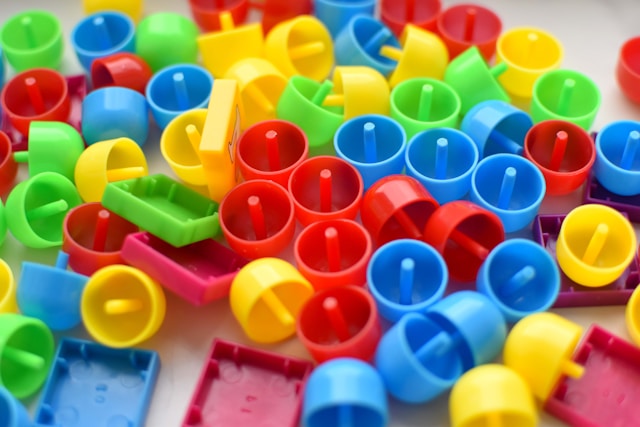
Plastic polymers can be broadly grouped into two main types, based on how they respond to heat. These groups are thermoplastics and thermosets. Knowing the distinctions between these two groups is crucial for understanding ultrasonic plastic welding.
Thermoplastics vs Thermosets for Ultrasonic Welding
Thermoplastics are the most common type and soften or melt when heated making them ideal for ultrasonic welding. This allows them to be moulded into shapes and then retain that shape when cooled. Thermoplastics are generally recyclable and some common examples include polycarbonate (PC), acrylonitrile butadiene styrene (ABS) and polystyrene (PS). Ultrasonic welding only works with thermoplastics.
Thermosets permanently change when heated, unlike thermoplastics. They harden and set into a fixed shape and cannot be melted or reshaped again. This makes thermosets unsuitable for ultrasonic welding. Some examples include polyurethane and epoxy resins and generally, thermosets cannot be recycled.
Amorphous vs. Semi-Crystalline Plastics
Weldable plastics can be divided into two categories; amorphous plastic and semi-crystalline plastic. The structure of these types of thermoplastic material affects their weldability.
Amorphous plastics have a random, disorganised molecular structure that makes it easier to transmit vibrations. This tangled, spaghetti-like structure allows them to soften gradually over a temperature range, making them generally easier to weld ultrasonically. The molecules absorb ultrasonic energy easily, converting it to heat for melting and fusing. Some examples include polypropylene, polyvinyl chloride (PVC) and polycarbonate (PC).
Semi-crystalline plastics, in contrast, have a more ordered, crystalline structure. They tend to have sharper melting points, requiring more precise control during welding. While they are still weldable, they might be a bit more challenging to bond.
It’s important to note that not all thermoplastics weld successfully.
Thermoplastic Properties to Consider When Selecting for Ultrasonic Welding
There are several thermoplastic material properties that dictate the success of ultrasonic welding.
Melt temperature, for instance, impacts the energy input and the efficiency of the process, as higher melt temperatures require more energy. Glass transition temperature (TG) is another crucial consideration, as materials with similar TG values tend to weld better together.
Additionally, the melt flow index (MFI) influences weldability. Materials having similar MFI values are more compatible. When it comes to fillers and additives, although they are beneficial for enhancing certain material properties, can hinder this type of plastic welding process if not carefully considered.
Tips for Choosing the Right Thermoplastic Materials
When selecting materials for ultrasonic welding, prioritising similar materials is key to achieving the best results. Whenever possible, welding identical thermoplastics provides the best and most consistent results. When material properties align perfectly, it ensures a smooth energy transfer and efficient melting during welding.
It’s also a good idea to consult the material data sheets for your chosen thermoplastics to understand their specific properties and ultrasonic welding recommendations. Additionally, plastic suppliers can provide valuable insights and recommendations based on their experience with different materials and ultrasonic welding applications. Accessing material data sheets and supplier information on weldability can provide valuable insights into material compatibility. Conducting weld trials with different materials also allows settings to be optimised and ensures compatibility before full-scale production.
Experienced Ultrasonic Welding Specialists
Fern Plastics provide professional ultrasonic plastic welding services to enhance your plastic manufacturing. Our expert engineers can offer expert advice on material selection and compatibility to help you create high-quality plastic parts. For more information about ultrasonic welding or any of our other value-added services, contact our team today.
Read MoreTop Things to Consider When Choosing a Plastic Injection Moulding Supplier
Plastic injection moulding is a fantastic tool to create dedicated items in large quantities for a low cost but choosing the right plastic injection moulding supplier is imperative to making your project a success. We talk you through the ways to choose the best plastic injection moulding supplier for your business needs.
Why is it Important to Choose the Right Plastic Injection Moulding Company?
When creating your plastic injection moulded product, it is important that you choose a company with experience in a range of fields that can do the job well the first time, if time is an issue for you, it is also important you choose a company with quick turnaround times to ensure you get your plastic injection moulding and plastic injection moulded product when you need it. If your injection moulding has technical aspects, experienced experts with high-tech equipment are essential.
What to Look at When Choosing a Plastic Injection Moulding Company
When looking at potential plastic injection moulding specialists, it can be hard to make the right decision. We’ve put together a few tips on what to look at when choosing the right injection moulding specialist for your project needs.
Specialist Industry Knowledge
Every industry is different, so having an injection moulding specialist can be incredibly helpful in identifying the unique issues and challenges your industry faces when it comes to creating plastic injection moulded products.
These specialists possess an in-depth understanding of material properties crucial for specific applications, which allows them to select the polymers that align with your product’s performance requirements. Additionally, their familiarity with industry regulations ensures that your moulded products adhere to the necessary standards and certifications.
Injection moulding specialists also bring valuable insights into unique design details, so they can provide guidance on optimising moulds for enhanced functionality and cost-effectiveness within your industry. This targeted expertise not only enhances the manufacturing process but also contributes to the overall success of your moulded products giving you a competitive advantage over the competition.
State-of-the-Art Technology
State-of-the-art plastic injection mouldings require state-of-the-art machines. At Fern Plastics, we provide a wide range of intricate techniques with high-end machinery to create one-of-a-kind designs and finishes that perform under pressure.
As plastic manufacturers, our capabilities extend to advanced processes like gas-assist injection moulding that not only enhances the structural integrity of complex parts but also helps to reduce irregularities on the surface, sink marks and other cosmetic defects. This results in lighter yet robust components with superior surface finishes. Whether you require intricate designs or structural innovation, our cutting-edge technology ensures precision and efficiency in every aspect of your plastic injection moulding project.
Availability of Materials
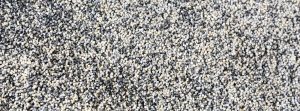
When it comes to high-quality plastic injection moulds and plastic injection moulded products, quality materials are key. At Fern Plastics, our state-of-the-art Engel and Arburg machines melt a complete range of thermoplastic pellets to ensure the perfect combination for our injection moulded production.
With over 200 tonnes of readily available polymers in stock, we can meet your unique demands. Examples of thermoplastic materials we work with include versatile options like impact-resistant ABS (Acrylonitrile Butadiene Styrene), UV-resistant polyamide and lightweight polycarbonate.
Additionally, we offer sustainable choices such as recycled ABS in black and variants, which aligns with our dedication to environmental responsibility. Our diverse thermoplastic material selection caters to a spectrum of industries, allowing us to tailor solutions that precisely match the requirements of your specific applications.
Quick Turnaround for Plastic Injection Moulded Products
If you are on a tight time schedule, one of the first things you should check with your prospective plastic injection moulding supplier is how quick their injection moulding time frame is. Some plastic injection moulding specialists such as Fern Plastics feature 24-hour production on 3 shifts for a fast response and short lead-times when creating your plastic injection mould and plastic injection moulded products.
With a robust project management approach, Fern Plastics ensures efficient coordination across shifts, streamlining the entire production process while maintaining the highest quality standards to meet your project deadlines effectively.
Design Capabilities for Injection Moulds
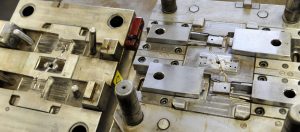
At Fern Plastics, we have vast experience creating bespoke plastic injection moulds for a range of industries. Our qualified technical staff use CAD design with mould flow analysis to assist with product and mould tool design whilst project managers take time to get to know your business needs to ensure a fully-customised design that works for your individual needs. Our in-house tool room is perfectly equipped for the manufacture, modification and repair of mould tools, jigs, fixtures and gauges with every element carefully considered.
Environmental Impact
In recent times, it has become more important than ever for brands and companies to consider their environmental impact. One of the easiest ways to limit your effect on the environment is to work with companies that also monitor their impact. As a company, sustainability is an important element of how we work. Alongside our aim to recycle up to 100% of our plastic waste, we also use recycled packaging and aim to swap out our single-use plastic tape for paper tape, you can read more about our environmental policy statement here.
In-House Tool Production
When it comes to creating the moulds and tools for your plastic injection mouldings and moulded products, keeping every aspect of the production together is the key to the smooth running of your project. Producing tooling in-house allows complete control over your finished product with the ability to adapt your design according to any necessary changes to the design and use. Our fully-equipped in-house tool room allows for complete control over the professional manufacture, modification and repair of mould tools, jigs, fixtures and gauges to keep your plastic injection moulding project running smoothly.
Additionally, Fern Plastics offers reshoring opportunities, allowing new customers to relocate the manufacturing of their plastic injection moulds to our facilities, further ensuring efficient production processes.
Quality Finishes
When it comes to the production of plastic injection moulded products, the moulding is just the first step towards a finished product. Plastic injection moulded products often have a range of finishes to help them look the part. This could include elements such as paint finishes, chrome plating on highly polished ABS polymers or even insert or over moulding to create independent parts to your plastic injection moulding, all of which can be performed in-house by our specialist team.
If you require laser marking such as indelible marking or etching for example for medical instruments, expert pad printing or any other type of high-quality finish, it is important that you check this is a service your plastic injection moulding specialist can provide before signing the dotted line.
Now you have an idea of what you need to consider when choosing the right injection moulding company, you can improve your chances of having a successful project from start to finish. Whether you are looking to move your custom plastic molding production to another company or you’re looking for sustainable injection moulding options, Fern Plastics offers you a comprehensive service at competitive rates. For more information about our services, contact our team of experts today.
Read MoreWhat Added Services Can Enhance My Injection Moulded Product?
When it comes to plastic injection moulded products, every business is different. At Fern Plastics, as a part of our value-added services, we can provide a range of finishes from laser etching to chrome plating to ensure the finished product exactly meets your needs and expectations. Here are just a few of the bespoke injection moulding finishes we offer.
Insert Moulding and Over Moulding
We provide plastic injection moulding services for a range of different industries. Due to the adaptability of plastic injection mouldings we are able to offer insert moulding and over moulding services to enable different functionalities. We can create features such as moulded-in fasteners, shafts and hubs to enable additional parts to be fitted into larger constructs as well as the ability to fit electrical contacts to your plastic injection moulded parts. We can even insert other plastic injection mouldings from different plastic materials inside of a new moulding to reinforce the strength of your plastic injection moulded part.
Laser Marking and Laser Etching for Plastic Moulded Parts
If your business requires each part or tool to be tracked or easily identifiable, we provide a laser marking or laser etching service for our injection moulded parts to allow for product codes, names or company logos on your parts. This is particularly useful for those working in the medical industry where traceability is key and can create barcodes, data matrix codes and QR codes that can be scanned for use. Laser etching is a quick, permanent and efficient way to mark your plastic injection moulded parts.
Chrome Plating for Injection Moulded Parts
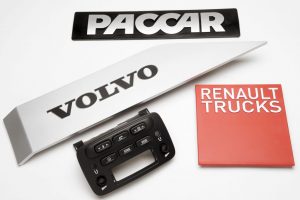
If you are looking for a more metallic finish for your plastic injection moulded parts, chrome plating can create the perfect professional finish. Chrome plating for plastic injection moulded products is ideal for those in the automotive industry or any other industry where a metallic look is preferred. Chrome plated ABS make superb radiator valves as well as being used for a range of other intricate applications. We also provide a wide range of paint finishes to give your injection moulded part that finishing touch.
Tampo Printing & Pad Printing
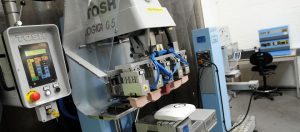
Tampo and pad printing allows for up to five colours in one process using state of the art printing machines from Tosh to create exactly the effect you are looking for when producing your plastic injection moulded parts. Pad printing can produce your chosen design on your product with ease enabling you to add your company’s logo to your products.
Gas-assist Injection Moulding
At Fern Plastics, we also offer enhanced injection moulding processes that can also help to improve the surface quality of your end product. Gas-assisted injection molding improves the look of plastic products by injecting nitrogen gas into the melted plastic. This helps prevent issues like sink marks and defects on the surface. The gas also creates hollow areas inside the product, making the cooling process more even and reducing stress inside the plastic. As a result, the plastic flows more smoothly into the mould, leading to a better, more appealing surface finish on the final product.
Plastic Moulded Parts Finished to Your Standards
Whatever you are looking for when it comes to plastic injection moulding finishes, our experienced and fully-trained team will be able to find a professional-looking solution. Contact our team now to find out more about how we can create the product for you.
Read MorePlastic Injection Moulding Vs Vacuum Moulding
When it comes to plastic moulded products, two main moulding methods are often discussed, plastic injection moulding and vacuum moulding. But what is the difference between plastic injection moulding and vacuum moulding? We go into the differences between the two plastic moulding types and more.

What is Plastic Injection Moulding?
Plastic injection moulding is the process of injecting molten plastic into a pre-designed mould in order to create a plastic moulded product. By injecting molten plastic into a mould at high pressure, the plastic is forced to fill the gaps in the mould and create the shape of the mould design. Once the plastic has cooled, the mould is opened and the plastic injected products are removed from the moulding machine.
What Type of Products Are Made From Plastic Injection Moulding?
Plastic injected products can be found everywhere in the home and beyond. Plastic injection moulding is often used to produce items such as recycling bins, medical tools, car parts, toys and more with the ability to highly customise the plastic mould meaning that a wide range of intricate designs can be produced in numerous quantities.
What is Vacuum Moulding?
Vacuum moulding, also known as thermoforming, is a process during which a heated sheet of plastic is stretched over a vacuum forming tool in order to form a plastic part. The thermoforming plastic sheet forms the shape of the mould through a vacuum process and as the sheet cools it forms a hard shape before the moulding tool is removed.
Here’s how the thermoforming process works:
- Preparation – A flat sheet of thermoforming plastic is clamped into a frame. The type of plastic chosen depends on the specific requirements of the part being produced.
- Heating – The sheet is then heated until it becomes soft and pliable. The temperature and heating time vary depending on the material’s thickness and type.
- Moulding – After the thermoplastic sheet is heated to the desired temperature, it is quickly moved to the mould or tool.
- Thermoforming – Once the heated sheet is in position over the vacuum-forming tool, a vacuum is applied beneath the mould, which suctions the plastic sheet tightly against the mould’s surface. This forms the plastic into the shape of the mould. Any excess material is trimmed away.
- Cooling and Release – After the plastic has taken the shape of the mould, it is cooled. Once it has cooled and solidified, the vacuum is released and the formed plastic part can be removed from the mould.
What Type of Products Are Made From Vacuum Moulding?
Depending on the design of the plastic moulding, vacuum moulding can create a variety of designs and styles. Items such as plastic bathtubs, garden equipment and plastic utensils can be made using the vacuum moulding process.
Plastic Injection Moulding Vs Vacuum Moulding, Which is Best?
When it comes to plastic formed products, each technique is different. For tight tolerances, plastic injection moulding is often more suitable than vacuum forming whilst the plastic injection process can also often work out as cheaper than the vacuum moulding process, particularly for larger projects where a high volume of plastic injected products need to be formed. The process of vacuum forming is sometimes also less controlled than plastic injection moulding die to the heated plastic being stretched over a mould.
What are the Advantages of Injection Moulding Compared to Vacuum Moulding?
There are a few advantages to using plastic injection moulding when compared to vacuum moulding.
High precision and tight tolerances – Plastic injection moulding allows for the production of parts with extremely tight tolerances and high precision. This process is capable of producing complex, intricate parts with consistent wall thickness, intricate details and minimal variations. In contrast, vacuum forming may have some limitations in achieving the same level of precision due to the stretching of the heated plastic sheet over the mould.
Higher production volumes – Injection moulding is better suited to high-volume production runs when compared to vacuum moulding. The cycle times in injection moulding are typically faster than vacuum forming, and the process can produce a large number of parts in a shorter period of time. This efficiency makes it more cost-effective for long production runs
Material selection – Plastic injection moulding allows for the use of a range of thermoplastic materials including high-performance engineering plastics like Acrylonitrile Butadiene Styrene (ABS), Nylon (PA) and Polycarbonate (PC). This means that injection-moulded parts can have superior properties such as heat resistance, greater strength, chemical resistance and more. Injection moulding is often chosen when the application demands specific material characteristics and performance.
Plastic Injection Moulding Specialists
As plastic injection moulding specialists, we offer a wide range of plastic injection moulding services to help bring your project to life. We have a number of years experience and have faced every challenge there is in terms of plastic injection moulds so are perfectly placed to answer any questions you may have.
Contact our team now on 01902 758282 to find out more about the range of plastic injection moulding services and related services we offer and talk to our specialists.
Read More
Injection Moulding Costs – Is Injection Moulding Cost-Effective?
The plastic injection moulding process produces hundreds and thousands of products every single day. From large-scale production projects to smaller, more bespoke mouldings, plastic injection moulding can produce a wide variety of shapes, styles and finishes, all with perfect uniformity. Low injection moulding costs mean that extremely large quantities can be produced with little effort in a relatively short space of time. Here’s our guide to the cost-effectiveness of plastic injection moulding.
Is Plastic Injection Moulding Cost-Effective?
One of the most attractive elements of plastic injection moulding is that is it an extremely cost-effective plastic product production process. Huge amounts of product can be produced from just a single injection mould making it a time-efficient and cost-effective production process. Whilst the initial costs may seem higher than other plastic production methods, he ability to produce tens of thousands of parts from one tool means that plastic injection mould costs, in the long run, are extremely cost-effective, especially for larger-scale or repeat projects.
Injection Moulding Mould Cost – Creating the Right Mould for your Project
Whatever your project, the right plastic injection mould can help make it a success without the gruelling production process other types of product creation may involve. At Fern Plastic, we know what goes into creating the perfect mould for the plastic injection moulding process and know that the right mould can save time and resources on post-production adaptations later on down the line.
How Do We Save Money on Injection Moulding Costs?
Here at Fern Plastics, we have a number of years of experience creating high-quality plastic injection moulds and injection moulded parts. We like to think that our process has been streamlined to be as cost-effective and environmentally friendly as possible in order to pass on those benefits to our customers. Some of the ways to keep plastic injection moulding costs as low as possible whilst still maintaining ultra-high quality levels include things such as modifying and reusing moulds to improve their performance and continue creating brilliantly-bespoke plastic injection moulded products. We also aim to recycle and reuse the majority of our product waste in order to lessen the environmental impact of the injection moulding process.
Here’s an in-depth look at how injection moulding costs can be reduced.
Optimise The Design of Moulded Parts
Smart part design is one of the most impactful ways to reduce the cost of plastic injection molding. By working closely with experienced engineers, you can create parts that are easier to mould and reproduce. Not only does this demonstrate design best practices, but also improves product efficiency. This results in reduced material requirements and minimises the need for secondary processes. Consider design elements like uniform wall thickness and avoiding undercuts or other intricate features that may require complex tooling. With efficient part design, overall cycle times are reduced with fewer discarded parts which saves time and money.
Select The Right Injection Moulding Material
Choosing the right injection moulding material is vital for cost reduction. While high-performance resins may offer excellent properties, they can significantly increase production costs. Injection moulding specialists will evaluate the required properties of the part carefully and consider using alternative materials that meet the necessary specifications at a lower cost. Recycled plastics can also be a viable option for certain applications, which reduces both material expenses and the impact on the environment. Many specialists use ABS materials as ABS injection moulding costs are extremely efficient when compared to the high-quality product created.
Optimise Tooling Design and Maintenance
Investing in high-quality tooling ensures consistent part quality and extends tool life. While initial tooling costs might be higher, better-quality moulds can result in lower production costs in the long run. Regular maintenance of the moulds is essential to prevent part defects, downtime and costly repairs.
Utilise Multi-cavity Molds
Using multi cavity molds allows multiple parts to be simultaneously produced in each molding cycle. This approach significantly increases the efficiency of production while reducing cycle time and lowering the overall cost per part. However, it is essential to balance the savings with the maintenance requirements of complex multi cavity molds.
Minimise Post-Molding Operations
Reducing the need for post-molding operations can save both time and money. Creating parts that require minimal or no secondary processes such as additional surface finishing and trimming. Integrating features directly into the mould can eliminate the need for additional manufacturing steps.
Mould Design Modifications
Before production, it is worth closely analysing the structural requirements of moulded parts. By closely examining the part’s structure, areas that are critical for function and quality can be identified and other areas can be modified. For example, gussets or ribs can be used to enhance the structural integrity of the part, replacing a completely solid area. This not only simplifies production but can also reduce weight, making it cost-efficient for shipping, storage and delivery. Additionally, replacing solid areas with hollow sections where appropriate, reduces the amount of injection moulding material used in the process which can further reduce costs. However, it is important to ensure that the quality isn’t compromised by the modifications as any savings would be cancelled out by the costs associated with failed parts.
Collaborate with Expert Injection Moulders
Partnering with experienced injection moulders can provide valuable insights and cost-saving suggestions. Collaborate with an injection moulding company that has a proven track record of optimising injection moulding processes and can offer innovative solutions and value-added services to cut costs without compromising quality.

Looking for a Cost-Effective Plastic Injection Moulding Specialist?
Our team are experts in creating industry-leading plastic injection moulded products with a full-service process from design to production to ensure your product is exactly how you envisioned it. Contact our team now to find out more about our plastic injection moulding costs or any other questions you may have on the services we provide.
Read MoreHow We Avoid Plastic Injection Molding Defects
When it comes to manufacturing quality plastic injection moulded products, we are experts in our field. From the smallest, intricate part to large, mass-produced plastic moulded projects, we have experience and skills to perfect your products. When it comes to plastic injection moulding, there will always be risks of defects in the finished product. Here are just some of the ways we avoid injection molding defects in our injection moulding process using high-tech machinery and skills to create your perfect product.
Avoiding Air Pockets and Vacuum Voids During the Plastic Injection Moulding Process
When creating bespoke products using plastic injection moulding, it is extremely important to avoid the creation of air pockets during the process. A bubble defect in injection molding can be the result of volatiles from the resin, the decomposition of gases from polymers or additives or moisture vapour. This can inadvertently distort the shape and use of the finished product. As experts in our field, we have a number of processes in place to avoid this in our plastics mould manufacturing process. We also have high-tech machinery to optimise the process and ensure adequate moulding pressure forces any excess air out of the moulding cavity. Our high-tech plastic injection moulding machinery also ensures premature cooling does not happen, another cause of air pockets in the moulding process.
Preventing Burn Marks in Our Plastic Injection Moulding Process
In some cases when creating plastic injection moulded products, burning can appear. In many cases, this can be due to air or even resin becoming trapped in an air cavity and overheating. This then results in the scorched material. Here at Fern Plastics, our skilled team members prevent burn marks in injection molding by loosely monitoring the temperature of our plastic injection mouldings and the speed of our injection mouldings to ensure this doesn’t happen to our products. We take pride in ensuring each of the products that leave us are fit for purpose and look visually as expected..
Avoiding Plastic Injection Mould Warping
As with any materials, when treating plastics and using them during the plastic injection moulding process, there is a risk of warping the materials. A warping defect in injection molding has a range of side effects including excessive space produced between components and misshaped products. Warping as an effect of the injection moulding process can be caused during the cooling process when uneven shrinkage can put stress on different parts of the plastic product. Often, the materials used can be prone to developing warping defects. Materials with semi-crystalline structures are more likely to be subject to warping. We combat this through strategic selection of materials and expert mould design to avoid this. We also ensure an even and gradual cooling process to avoid warping of the plastic injection moulded product.
Jetting During the Plastic Moulding Process
A jetting defect in injection molding can occur when the solidification process happens unevenly. In order to create a smooth, streamlined plastic injection moulding without any jetting, it is important to use the perfect injection pressure for your product to avoid initial streams solidifying before the product is finished. We have years of experience perfecting the plastic injection moulding process so make it our priority to provide an exceptional product and service each and every time. Our innovative machinery calculates the exact pressure needed for every moulding whilst our mould designs optimise for a smooth finish.
Preventing Sink Marks in Injection Molding
Sink marks are common defects in injection moulding often found in thick-walled sections. One of the main causes of sink mark defects relates to incorrect melt temperatures. We are able to prevent the formation of this defect by understanding the importance of staying within the temperature range recommended by the resin manufacturer. Since thick sections contain more plastic, failing to verify the temperature can result in the part taking longer to cool which will lead to the formation of sink marks. As well as verifying the correct temperature during the injection moulding process, we make sure the correct second-stage pressure and pack and hold times are maintained. The ideal second-stage pressure (or pack and hold pressure) not only helps to prevent shrinkage but when combined with the proper pack and hold times, ensures the part is efficiently sealed which can prevent sink marks from forming. Where applicable, we apply gas-assist injection moulding processes to help reduce the appearance of sink marks.
Avoiding Short Shots in Injection Molding
During the injection molding process, partially formed parts known as short shots occur when the resin hasn’t entirely filled the mold cavity. The result is a plastic part that is visibly incomplete and often unusable. We prevent short shots in injection molding by ensuring a consistent flow within the mold cavity which can be affected by blocked or narrowed gates. We also avoid short shots by adjusting the mold temperature and maintaining the correct injection pressure so that the entire mold cavity is filled during mould injection.
Weld Lines in Injection Molding
A weld line defect is formed when two flows of injected resin material meet within the mould cavity. Also called a “knit line”, these marks usually form around holes as the plastic flows around either side. When the temperature of the resin is incorrect, the two flows fail to bond together properly which results in a visible weld line. Weld line defects reduce the durability, strength and aesthetic quality of the plastic component. To combat the formation of a weld line defect in injection molding, we can make adjustments to the mould design as well as raise the temperature of the molten resin which prevents it from solidifying too fast. Low-viscosity resins with lower melting points are often less prone to developing weld line defects. We also adjust the injection speed and pressure where necessary which also prevents early solidification and the formation of knit lines.
Our experienced and highly trained team are fully equipped to deal with the nuances of plastic injection moulding to ensure an industry-leading product each and every time. If you are looking for state-of-the-art plastic injection mouldings from a source you can trust, get in touch with the team here at Fern Plastics and find out more about what we can offer you. Get in touch online or call 01902 758282 for more.
Read More